
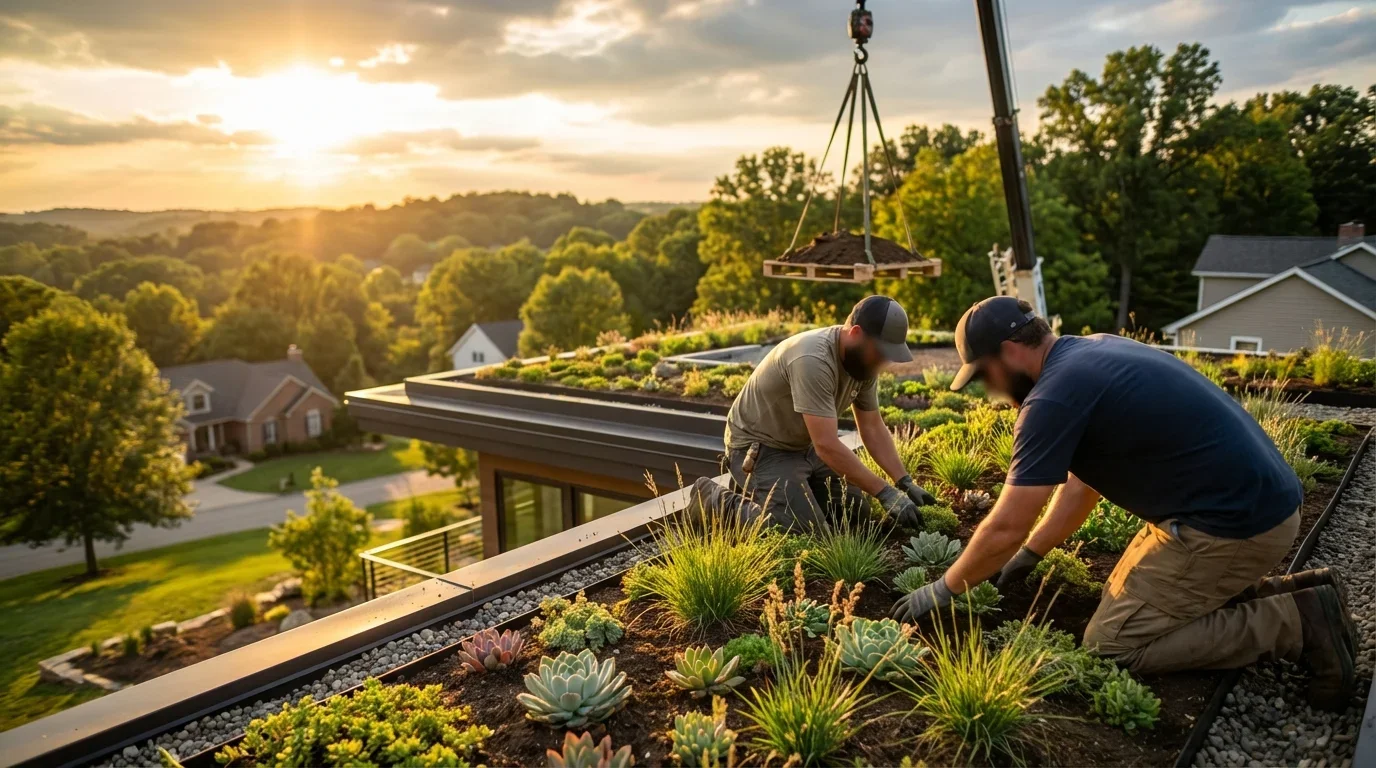
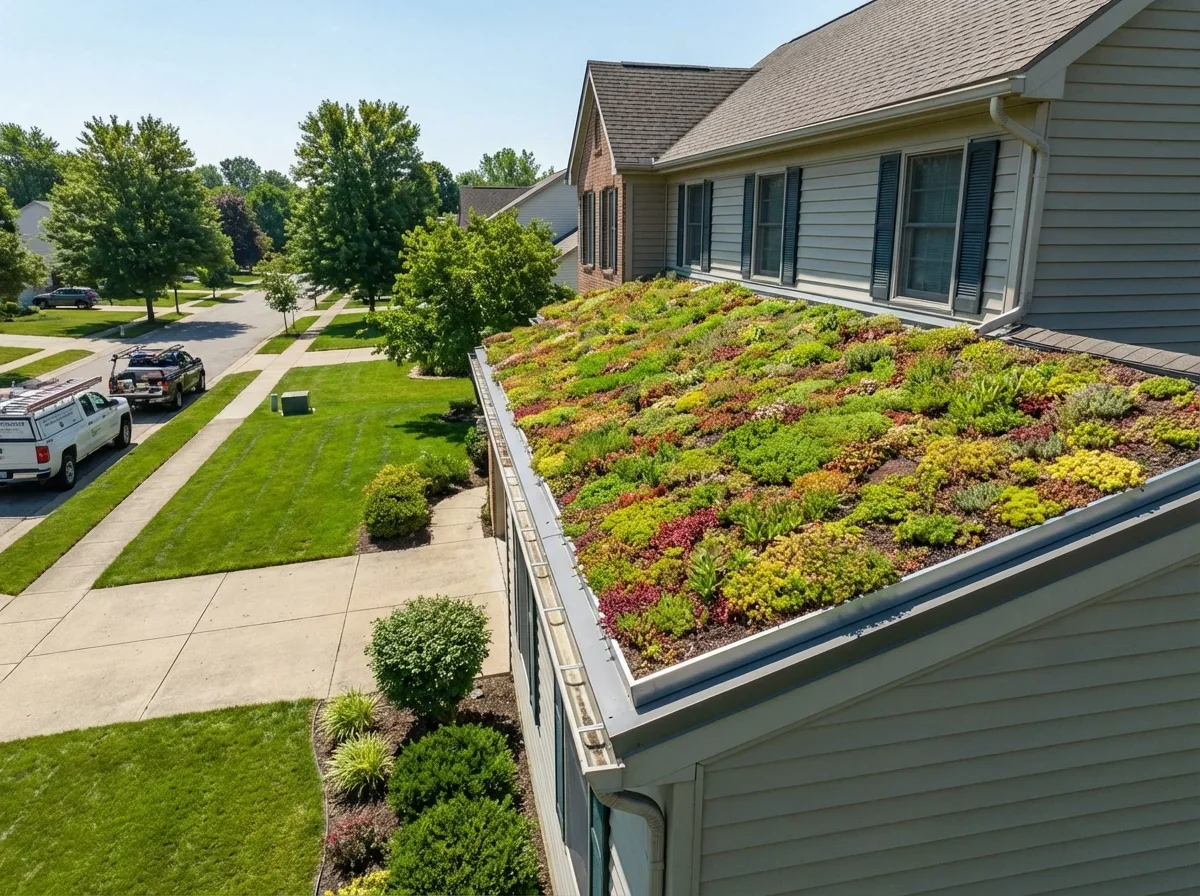
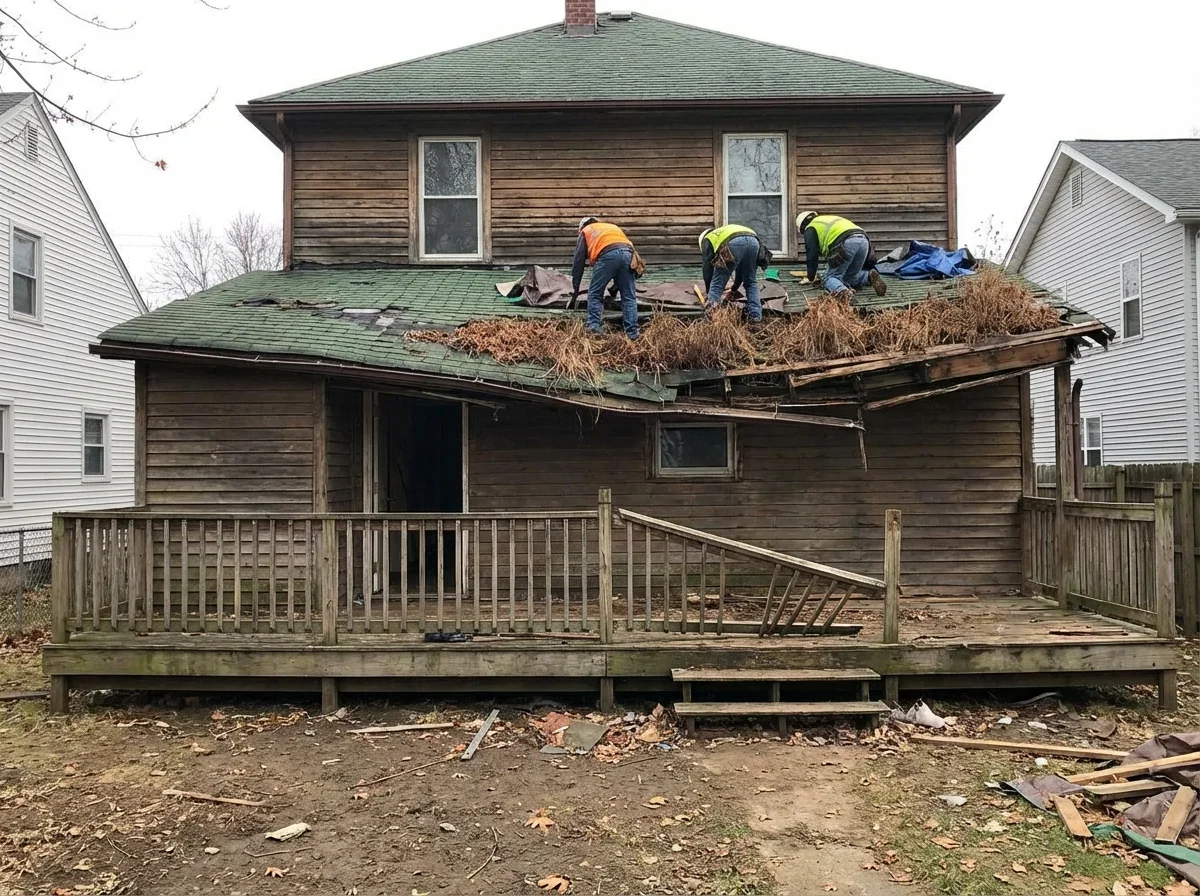
Green roofs transform commercial buildings into environmental assets by supporting vegetation, managing stormwater, reducing urban heat island effects, and providing insulation benefits. Our specialized team designs and installs extensive or intensive green roof systems that meet Ohio building codes and deliver long-term sustainability benefits. From waterproofing layers to growing media and plant selection, we create thriving rooftop ecosystems for forward-thinking Ohio businesses.
Featured Contractors
View all →




What Is a Green Roof System?
A green roof is an engineered assembly of waterproofing, drainage, growing medium, and vegetation installed over a commercial building's structural deck. These aren't decorative add-ons — they're integrated building systems that manage stormwater, reduce energy loads, and protect the underlying membrane from UV degradation and thermal cycling.
Ohio buildings face specific challenges that make green roofs particularly valuable. Storm intensity is increasing across the state, overwhelming combined sewer systems in Columbus, Cleveland, and Cincinnati. Municipal stormwater fees are rising accordingly. A properly designed green roof retains 60-90% of annual precipitation, keeping it off overtaxed systems.
Extensive vs Intensive Green Roofs
Your system type depends on structural capacity, budget, and intended use:
| System Type | Depth | Weight (saturated) | Maintenance | Best For |
|---|---|---|---|---|
| Extensive | 2-6 inches | 15-50 lbs/sqft | Low (2-3 visits/year) | Large footprints, existing structures, ROI focus |
| Semi-Intensive | 6-12 inches | 50-80 lbs/sqft | Moderate (monthly growing season) | Mixed use, limited access areas |
| Intensive | 12+ inches | 80-150+ lbs/sqft | High (weekly in season) | Rooftop gardens, amenity spaces, new construction |
Most retrofits in Ohio use extensive systems. They work with existing structural capacity, require minimal irrigation after establishment, and deliver the fastest payback on stormwater and energy savings.
Key System Components
Every green roof stacks these layers in sequence:
- Waterproofing membrane — typically modified bitumen or single-ply with root barrier
- Drainage layer — removes excess water while retaining moisture
- Filter fabric — prevents growing medium migration
- Growing medium — engineered lightweight soil, not topsoil
- Vegetation — drought-tolerant sedums for extensive, perennials and grasses for intensive
The membrane is your critical failure point. Unlike conventional roofs where leaks announce themselves, green roof leaks hide under vegetation and growing medium. Quality installation matters.
What Does Green Roof Installation Cost in Ohio?
Expect to invest $15-25 per square foot for extensive systems and $25-50+ per square foot for intensive installations. These ranges include all components from waterproofing to plants.
| System Component | Extensive Cost | Intensive Cost |
|---|---|---|
| Structural engineering/permits | $3,000-$8,000 | $5,000-$15,000 |
| Waterproofing with root barrier | $6-$10/sqft | $8-$12/sqft |
| Drainage and retention layers | $2-$4/sqft | $4-$8/sqft |
| Growing medium | $3-$6/sqft | $8-$15/sqft |
| Vegetation (trays or plugs) | $4-$5/sqft | $8-$15/sqft |
| Irrigation system | Usually none | $3-$8/sqft |
Cost Breakdown by System Type
A 10,000 sqft extensive retrofit in Dayton or Toledo typically runs $180,000-$240,000. That same footprint as an intensive amenity roof in Columbus pushes $350,000-$500,000.
Key cost drivers include:
- Structural reinforcement — if your building can't handle the saturated load, you're adding steel before you add soil
- Access and staging — crane lifts for materials, protection of occupied spaces below
- Waterproofing condition — new membrane required in most retrofits, adding $60,000-$100,000 to a 10,000 sqft project
- Edge details and penetrations — parapets, HVAC units, and access hatches require custom flashing
Long-Term Savings and Incentives
Green roofs extend membrane life from 20-25 years to 40+ years by eliminating UV exposure and reducing thermal cycling. On a 10,000 sqft roof, that defers a $120,000 replacement by 15-20 years.
Energy savings vary by building type. A 2-story office in Cincinnati with good insulation might see 8-12% cooling reduction. A single-story warehouse in Akron with minimal insulation can hit 20-30% savings.
Stormwater credits matter most in Ohio's larger cities. Cleveland and Columbus offer fee reductions of 40-60% for demonstrated retention. On a 20,000 sqft building, that's $4,000-$8,000 annually. Payback period for extensive systems typically runs 12-18 years when combining energy savings, fee reductions, and deferred replacement costs.
LEED projects gain multiple credits (stormwater management, heat island reduction, innovative design). Some Ohio municipalities offer expedited permitting or tax abatements for green infrastructure — check with your local development office.
The Green Roof Installation Process
Expect 4-8 weeks from contract to vegetation, longer if structural work is required. Most installations happen May through September to allow plant establishment before winter.
Structural Assessment and Engineering
Every project starts with a structural engineer's load analysis. Your building's original drawings show design capacity, but you need confirmation that:
- The deck can handle saturated system weight plus snow load
- Drainage slopes adequately (minimum 1/4 inch per foot)
- Parapets and edge conditions meet code for the added height
If reinforcement is needed, add 8-12 weeks and 20-30% to your budget. This involves shoring, steel installation, and engineering oversight. It's not optional — an overloaded deck fails catastrophically.
Waterproofing and Drainage Installation
- Deck preparation — existing roof removal, surface cleaning, repairs to substrate
- Waterproofing membrane — fully adhered system with root barrier protection, flood-tested for 24-48 hours
- Protection board — rigid insulation or geotextile to shield membrane during installation
- Drainage layer — dimpled plastic sheets or modular trays that channel water to outlets
This phase takes 2-3 weeks on a typical 10,000 sqft roof. Weather delays are common in Ohio's variable spring and fall conditions.
Growing Medium and Plant Installation
Engineered soil arrives in supersacks or blower trucks. It's not topsoil — it's a lightweight blend of expanded shale, compost, and minerals formulated to drain freely while retaining moisture.
Vegetation installs as pre-grown trays (faster coverage, higher cost) or plugs (slower establishment, lower cost). Sedum species dominate extensive systems for their drought tolerance. Semi-intensive and intensive systems support perennials, grasses, and even small shrubs.
Initial irrigation runs 4-8 weeks until roots establish. Extensive systems in Ohio rarely need permanent irrigation — our 38-40 inches of annual precipitation is adequate once plants mature.
How to Choose a Green Roof Contractor
Green roofs sit at the intersection of roofing, horticulture, and structural engineering. Your contractor needs expertise across all three.
Required Certifications and Experience
Questions to ask:
- How many green roofs have you installed in Ohio's climate zones 5-6?
- Who performs your structural engineering and what's their PE registration?
- What waterproofing manufacturer warranties do you offer (look for 20+ years)?
- Which plant suppliers do you use and what's their regional track record?
- Do you provide maintenance services or train facility staff?
- Can I visit completed projects that are 3+ years old?
Red flags to watch for:
- General roofing contractors without green roof portfolio
- Lack of engineering involvement in load calculations
- Proposals without detailed vegetation plans or species lists
- No irrigation or maintenance plan for establishment period
- Unwillingness to provide references from commercial clients
Warranty and Maintenance Support
Standard roofing warranties don't cover green roof systems. Look for:
- 20-year waterproofing warranty covering labor and materials
- 2-year vegetation establishment guarantee (80%+ coverage)
- Separate warranties for drainage components and growing medium
Maintenance requirements vary by system type. Extensive systems need semiannual inspections (spring and fall) to remove volunteer trees, check drainage, and verify membrane integrity. Intensive systems require weekly attention during growing season — irrigation management, weeding, fertilization, and seasonal plant care.
Many Ohio facility managers contract ongoing maintenance to the installation company for the first 3-5 years, then transition to in-house staff once systems mature. Budget $0.75-$1.50/sqft annually for extensive maintenance, $2-$4/sqft for intensive systems.
Compare at least three contractors with verified Ohio commercial installations. The lowest bid often skimps on waterproofing quality or uses inadequate growing medium depth — both lead to expensive failures within 5-7 years.
Frequently Asked Questions
Related Articles
Need Help With Your Project?
Join 500+ homeowners we've helped