
Ice dams are a serious winter threat for Ohio homeowners, causing roof damage, gutter destruction, and interior water damage when melting snow refreezes at roof edges. Our ice dam prevention solutions include proper attic insulation, ventilation improvements, heat cable installation, and strategic modifications to eliminate warm spots. Proactive prevention protects your roof investment and prevents costly emergency repairs during Ohio's harsh winter months.
Featured Contractors
View all →



What Causes Ice Dams on Ohio Roofs?
Ice dams form when your attic stays warm enough to melt snow on the upper roof while the eaves remain below freezing. That temperature difference matters more than how much snow falls.
Heat leaking through your ceiling is the real culprit. Gaps around chimneys, recessed lights, and attic hatches let warm air rise. Poor insulation lets heat radiate through. That warmth reaches the roof deck, melting the snow layer above it.
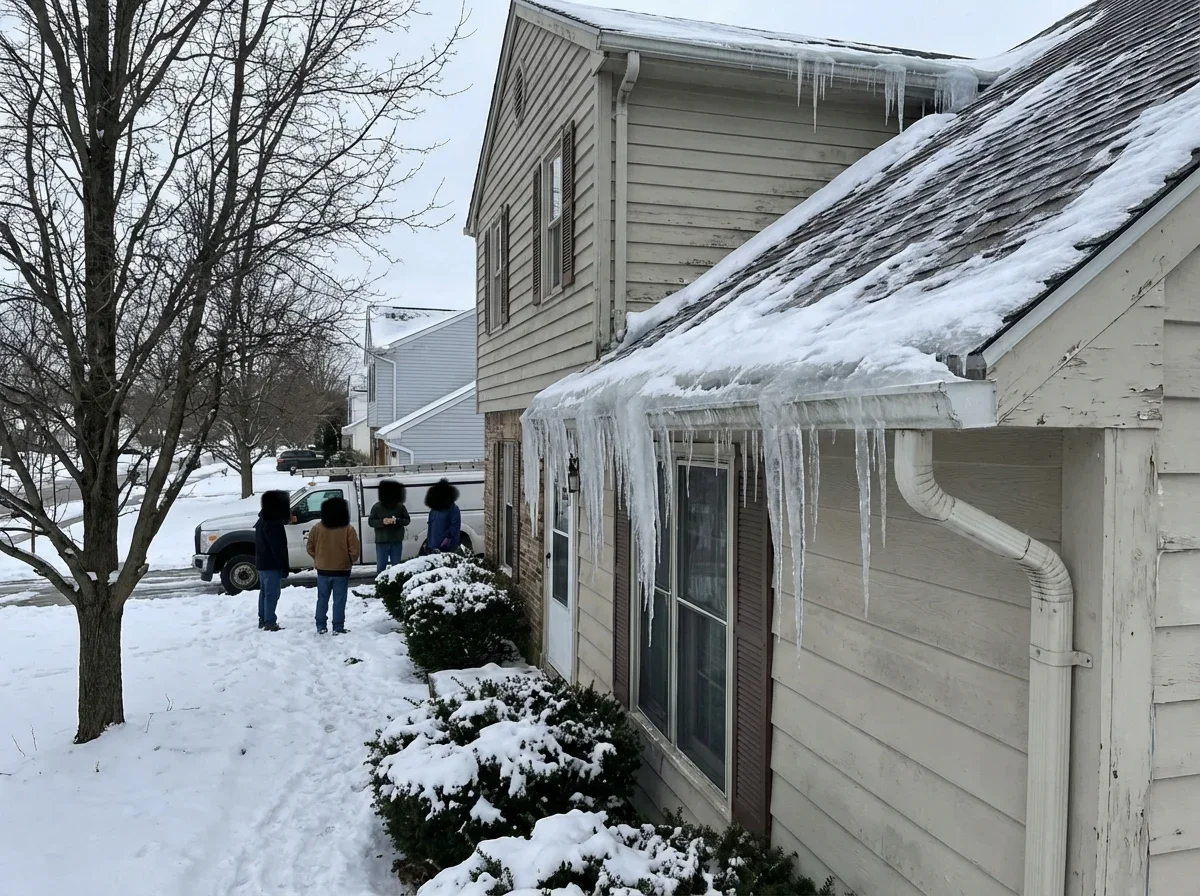
Meltwater flows down the slope until it hits the cold overhang — the part extending beyond your exterior walls. There it refreezes. Each freeze-thaw cycle builds the ice thicker. Once the dam forms, water pools behind it with nowhere to go but under shingles and through the roof deck.
The Freeze-Thaw Cycle Problem
Ohio's winter pattern accelerates this. Daytime temperatures in Columbus and Cleveland often climb to 35-40°F while nights drop to 20°F. Continuous freeze-thaw cycles keep ice dams growing throughout January and February, especially on north-facing slopes that stay shaded.
You'll notice water stains on exterior walls or ceiling spots below the roof edge before you see the ice itself. By then, damage is already happening inside wall cavities.
Homes built before 1980 run highest risk — insulation standards were lower, and attic ventilation wasn't code-required. Two-story homes with cathedral ceilings or complex rooflines create more opportunities for heat escape.
What Does Ice Dam Prevention Cost in Ohio?
Price depends on whether you're buying time or fixing the problem permanently.
Heat Cable Installation Costs
| System Type | Material + Installation |
|---|---|
| Basic zigzag cable (roof edge only) | $800 - $1,500 |
| Full system (edge + valleys + gutters) | $1,800 - $3,500 |
| Self-regulating pro-grade cable | $2,200 - $4,200 |
Installation cost varies with roof height and complexity. Single-story ranch: lower end. Two-story colonial with multiple valleys: upper end. Add $150-300 annually for electricity during operation.
Ventilation and Insulation Upgrades
Permanent solutions cost more upfront but eliminate recurring damage and energy waste.
| Scope | Typical Investment |
|---|---|
| Insulation upgrade only (R-30 to R-49) | $2,500 - $4,500 |
| Ventilation improvement (ridge vent + soffit) | $1,800 - $3,200 |
| Comprehensive system (air seal + insulation + ventilation) | $5,000 - $8,000 |
| Complex retrofit (cathedral ceiling, multiple levels) | $8,500 - $14,000 |
The payback period runs 4-7 years through lower heating bills alone — before factoring in avoided ice dam damage. Dayton and Canton homeowners typically see $400-700 annual heating cost reductions after comprehensive attic upgrades.
Key cost factors:
- Attic accessibility — easy walk-up access costs less than tight crawl spaces
- Existing insulation removal — adds $1-2 per square foot if old material needs extraction
- Air sealing complexity — older homes with more penetrations require more labor
- Ventilation retrofit difficulty — adding soffit vents to closed eaves increases cost
Emergency Removal vs Prevention
Ice dam removal after leaks start runs $500-$1,500 per incident. Most Youngstown and Parma homeowners need removal 2-3 times per severe winter. Prevention investment pays for itself in 2-3 seasons while eliminating the stress of emergency calls and interior damage.
Insurance typically covers water damage from ice dams but not the prevention work itself. Document your prevention efforts — some carriers reduce premiums for proactive upgrades or require them after claims.
Ice Dam Prevention Methods
Prevention works on two timelines: temporary protection for this winter and permanent solutions that fix the root cause.
Temporary Solutions: Heat Cables and De-Icing Systems
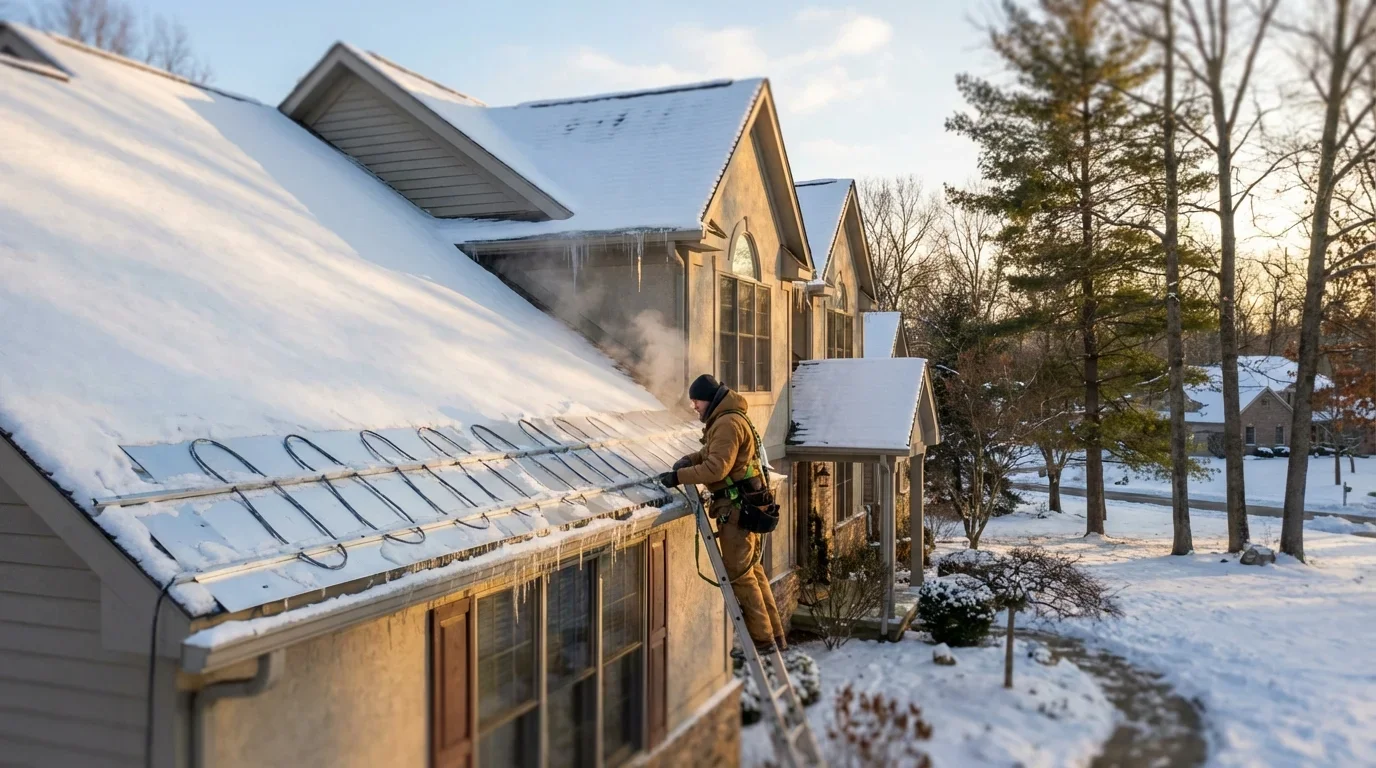
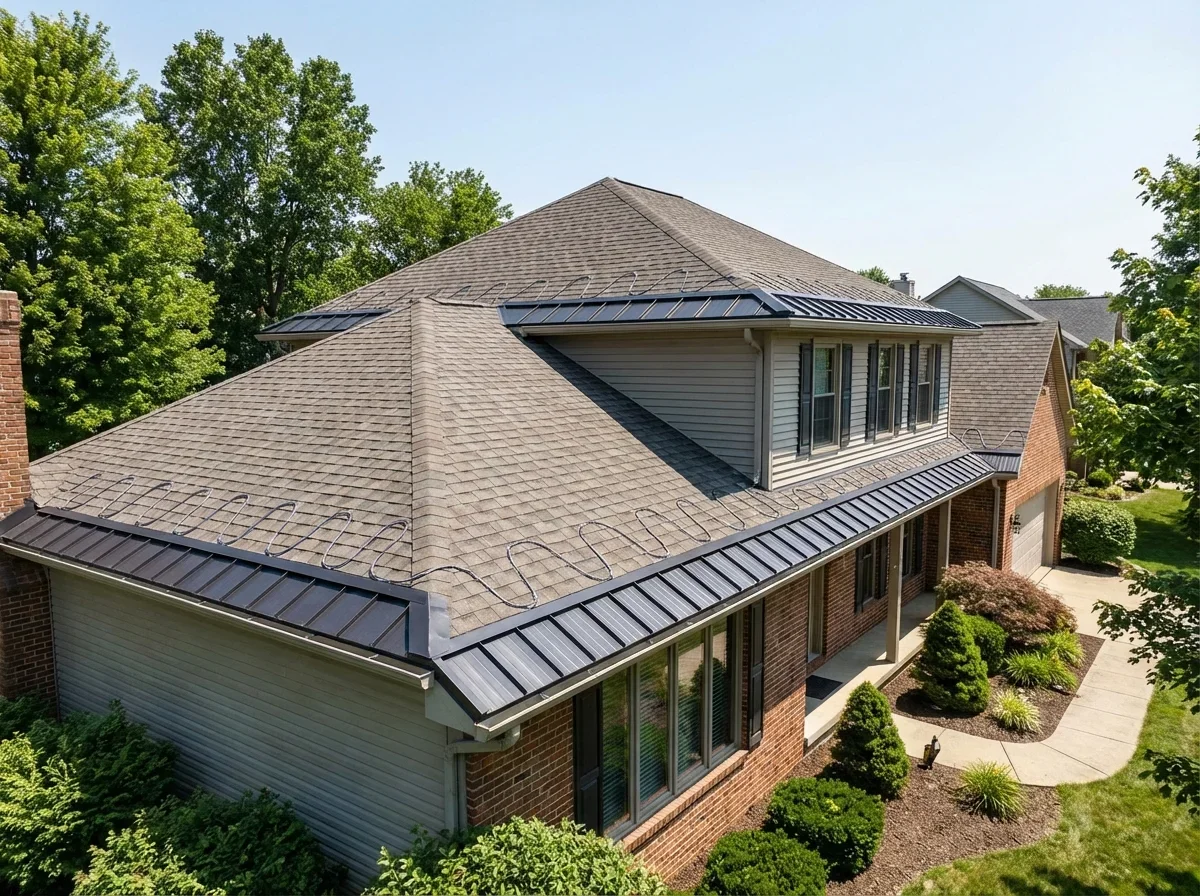
Heat cables clip to roof edges and valleys. They melt channels through ice, letting water drain. Installation takes 3-6 hours. Turn them on when snow accumulates, off when it melts.
Heat cables treat the symptom, not the cause. They'll protect you this season while you plan proper attic work for summer. Best for:
- Homes you're selling soon
- Supplemental protection on tricky valleys
- Emergency backup on problem sections
Expect 15-25% higher electric bills while they run. Quality systems include thermostats that activate automatically at 35°F or below.
Permanent Solutions: Attic Insulation and Ventilation
The only real fix is stopping heat loss. That means upgrading to R-49 or R-60 insulation and balancing ventilation so your attic stays within 5-10°F of outside temperature.
Proper attic work eliminates ice dams completely. A comprehensive approach includes:
- Air sealing — spray foam around all penetrations, wire holes, plumbing stacks, chimneys
- Insulation upgrade — blown cellulose or fiberglass to code-plus levels
- Ventilation balance — continuous soffit intake paired with ridge or gable exhaust
- Thermal barrier — blocking thermal bridging at rafters and joists
Most Toledo and Akron contractors schedule this work April through October when attics are accessible. The insulation needs to settle before snow season, and proper air sealing requires dry conditions.
Ice and Water Shield Underlayment
During re-roofing, contractors install rubberized membrane along eaves and valleys. It won't prevent ice dams, but it stops water infiltration if dams form. Standard protection extends 3-6 feet up from the roof edge. Required by code on new construction and recommended during any roof replacement in Cincinnati or Columbus.
| Prevention Method | Timeline | Effectiveness |
|---|---|---|
| Heat cables | Immediate | Symptom relief only |
| Ventilation/insulation upgrade | 3-12 months | Eliminates root cause |
| Ice and water shield | During re-roof | Damage mitigation |
How to Choose an Ice Dam Prevention Contractor
The difference between contractors who sell quick fixes and those who solve root causes determines whether you spend money once or repeatedly.
Questions to Ask
- "Do you perform attic inspection and thermal imaging before recommending solutions?" — Diagnostic contractors identify your specific heat loss patterns. Cable-only vendors skip this step.
- "What's your approach: temporary protection or permanent prevention?" — Both have roles, but you want someone who explains the tradeoff honestly.
- "Can you show before/after thermal scans from previous jobs?" — Proof they verify their work eliminates guesswork.
- "Do you subcontract the insulation work or handle it in-house?" — Coordination matters when air sealing and insulation must work together.
- "What's the ventilation calculation for my attic square footage?" — They should know the 1:150 or 1:300 ratio and your current vent area.
- "What warranty covers the prevention system?" — Labor warranties on comprehensive work typically run 2-5 years.
Red Flags
- Pushing heat cables without inspecting your attic first
- Can't explain why your specific roof develops ice dams
- Quotes over the phone without site visit
- No mention of air sealing — just adding insulation over existing gaps
Ohio doesn't require specific ice dam prevention licensing, but look for contractors holding home improvement or roofing licenses. Insulation work should be performed by certified installers. Check for current general liability insurance and workers' compensation coverage.
The best prevention contractors schedule summer attic work and offer heat cable installation as a bridge solution. They'll walk your attic, show you the thermal bypass points on their phone camera, and explain exactly what needs fixing. That diagnostic approach costs more than a cable estimate but solves the problem instead of managing it every winter.
Frequently Asked Questions
Sources
- https://www.icedamsteamingassociationforeducation.com/ohio/
- https://com.ohio.gov/wps/portal/gov/com/about-us/media-center/news/ohio-department-of-commerce-urges-property-owners-to-inspect-roofs-for-ice-dams-following-recent-winter-storm-prolonged-cold
- https://ohiodnr.gov/discover-and-learn/safety-conservation/about-ODNR/water-resources/ohio-dam-safety
Related Articles
Need Help With Your Project?
Join 500+ homeowners we've helped