
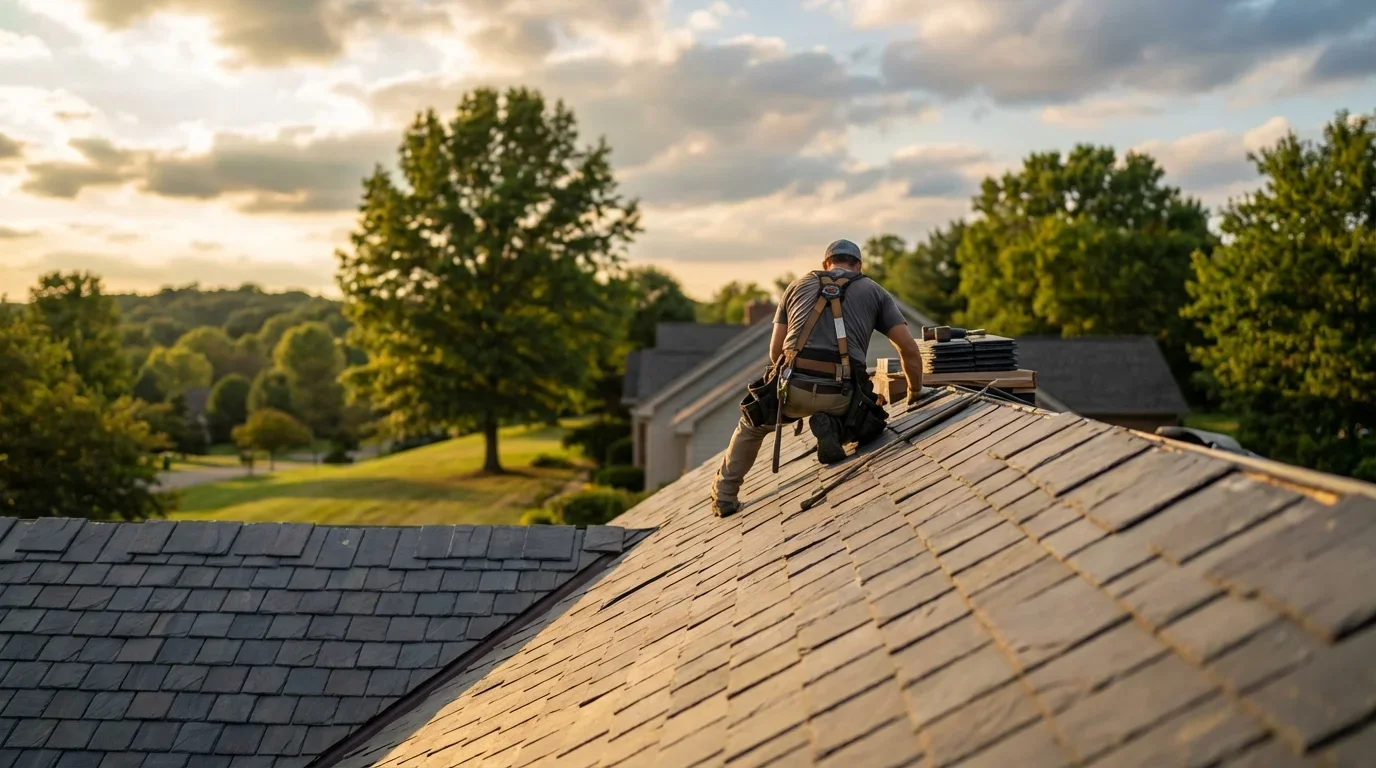
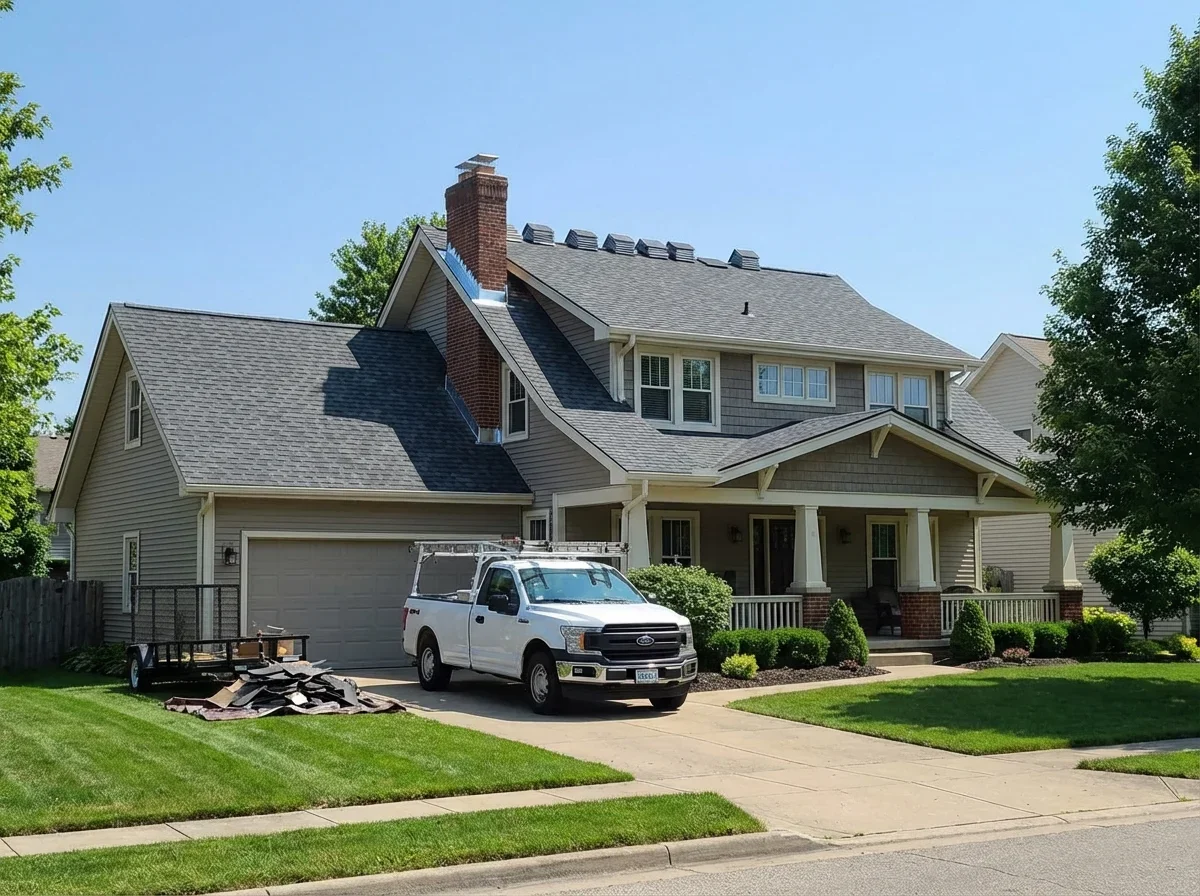
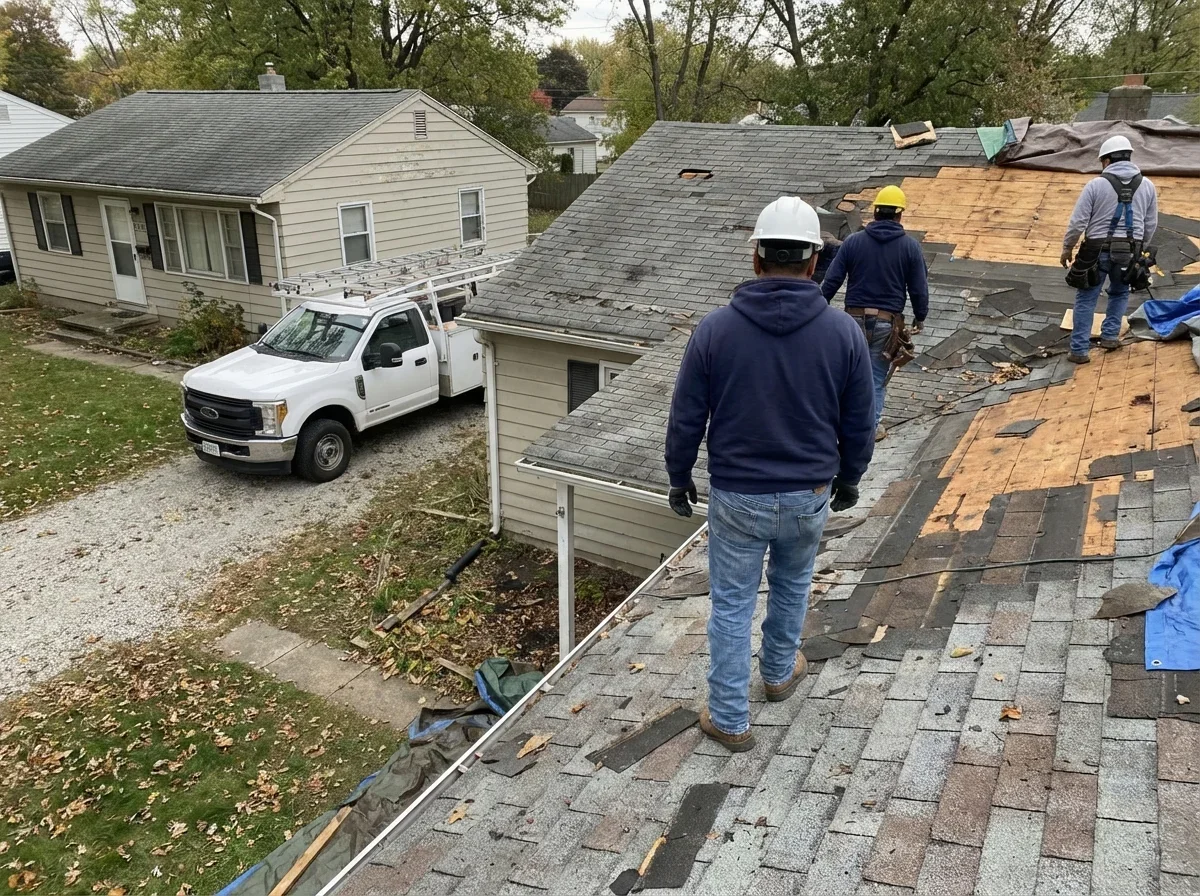
Professional roof repair extends your roof's lifespan and prevents minor issues from becoming major emergencies. Our experienced technicians address damaged shingles, flashing failures, penetration leaks, and storm damage with quality materials and proven techniques. Whether you need a few shingles replaced or more extensive repairs, we provide reliable solutions that stand up to Ohio's challenging weather conditions.
Featured Contractors
View all →




Signs You Need Roof Repair Now
You're here because something caught your eye — a wet spot on the ceiling after rain, shingles in the yard after a storm, or a neighbor mentioning your roof looks rough. Trust that instinct.
Minor problems become major expenses fast. A small leak that costs $400 to patch today can rot roof decking and create a $3,000+ structural repair in six months. Ohio's freeze-thaw cycles accelerate the damage — water seeps in during rain, freezes overnight, expands the crack, and repeats.
Interior Warning Signs
Check your attic and ceilings for these red flags:
- Water stains on ceiling drywall (brown rings, even if currently dry)
- Dripping or active leaks during or after rain
- Daylight visible through roof boards when looking up from attic
- Musty odor or visible mold on attic wood
Exterior Warning Signs
Walk around your property and look up:
- Missing shingles after wind events (common in Columbus and Cleveland spring storms)
- Curled, cracked, or blistered shingles
- Granule loss (shingles look smooth/shiny instead of textured)
- Damaged or rusted flashing around chimneys and vents
- Sagging roof sections (structural emergency — call today)
Ohio storm damage is cumulative. Each hail event, each ice dam, each high wind weakens your roof's defense. What starts as one loose shingle becomes a vulnerable area that fails completely during the next storm.
What Does Roof Repair Cost in Ohio?
The question everyone asks first. Here are real numbers based on typical Ohio repair scenarios.
Minor vs. Major Repair Pricing
| Repair Scope | Cost Range | What's Included |
|---|---|---|
| Minor leak patch | $300 - $800 | Small area seal, 5-10 shingle replacement, sealant application |
| Shingle replacement (section) | $500 - $1,500 | 100-300 sq ft area, underlayment repair, ridge cap work |
| Flashing repair | $400 - $1,200 | Chimney/skylight flashing, valley metal, resealing |
| Storm damage (multiple areas) | $1,000 - $3,000 | Widespread shingle replacement, possible decking repair |
| Structural/decking repair | $2,000 - $5,000+ | Plywood replacement, rafter repair, extensive water damage |
What Drives Cost Up
- Access difficulty — steep pitch, multi-story homes, limited ladder placement
- Extent of hidden damage — rot discovered under shingles adds decking replacement
- Material matching — discontinued shingle colors require larger replacement areas for blending
- Permit requirements — some Cincinnati and Toledo jurisdictions require permits for repairs over $1,000
Emergency Service Premiums
Same-day or after-hours repairs cost 50-100% more than scheduled work. A $600 leak patch becomes $900-$1,200 when you call at 9 PM during a rainstorm. Emergency tarping typically runs $200-$500 and protects your home until permanent repair can happen.
Insurance Claims
Most policies cover sudden storm damage (hail, wind, falling trees). They generally don't cover wear-and-tear or maintenance neglect. Expect a deductible ($500-$2,500) before coverage kicks in. Your contractor should provide detailed documentation for claims.
Property value protection matters. Unrepaired roof damage shows up in home inspections and can derail sales or cost you $5,000-$15,000 in buyer negotiations. A $1,200 repair today prevents a $10,000+ loss at closing.
How Roof Repair Works
Most homeowners worry about disruption. Here's the reality: standard repairs take 4-8 hours, and you won't lose access to your home. Emergency tarping happens same-day. Structural repairs may span 2-3 days.
1. Inspection and Diagnosis
A qualified contractor climbs onto your roof (you shouldn't) and checks:
- Leak source identification — water travels, so the ceiling stain isn't always directly below the roof damage
- Surrounding area assessment — one visible problem often signals other weak points
- Structural integrity — checking decking for rot or sagging
- Ventilation and flashing — common failure points even on newer roofs
This takes 30-60 minutes. You'll get photos of the damage and a written scope of work before any repair starts.
2. Repair Execution
| Repair Type | Typical Duration | Materials Used |
|---|---|---|
| Leak patch/seal | 2-4 hours | Roofing cement, sealant, matching shingles |
| Shingle replacement (section) | 4-6 hours | Shingles, underlayment, nails, ice/water shield |
| Flashing repair | 3-5 hours | Metal flashing, sealant, possibly new step flashing |
| Storm damage (multiple areas) | 1-2 days | Varies by extent; may include decking replacement |
Good contractors in Akron and Dayton work in dry weather when possible — roofing adhesives need temperatures above 40°F to seal properly. Emergency repairs happen regardless, but permanent fixes wait for decent conditions.
3. Testing and Warranty
After repair, contractors test with water (hose or waiting for rain) and provide documentation:
- Photos of completed work
- Warranty coverage (typically 1-5 years on labor, manufacturer warranty on materials)
- Maintenance recommendations
How to Choose a Roof Repair Contractor
Ohio doesn't require state-level roofing licenses, but legitimate contractors carry proper credentials. Here's your vetting checklist.
Questions to Ask Before Hiring
- "Are you licensed and insured in Ohio?" — Verify general liability ($1M minimum) and workers' compensation coverage
- "Can you provide references from repairs in [your city]?" — Ask for 3-5 recent jobs, then actually call them
- "What's your warranty on labor?" — Reputable contractors offer 1-5 years; be wary of "lifetime" claims
- "Will you provide a written estimate and scope?" — Never accept verbal-only agreements
- "How do you handle unexpected damage discovered during repair?" — Process for approval and pricing changes
- "When can you start, and what's the timeline?" — Beware of "we can start today" for non-emergencies (often storm chasers)
Red Flags That Signal Problems
- Door-to-door solicitation after storms — legitimate contractors don't need to hunt for work in Canton neighborhoods
- Requests for full payment upfront — standard is deposit (10-30%) with balance on completion
- No physical business address — P.O. boxes or out-of-state addresses suggest fly-by-night operations
- Pressure tactics — "This price expires today" or "I can only offer this discount if you sign now"
- Offers to waive insurance deductibles — this is insurance fraud, and you're liable
Ohio-Specific Considerations
While Ohio doesn't mandate roofing licenses statewide, many cities require business registration and building permits for repairs exceeding certain thresholds. Contractors in Cleveland, Columbus, and Cincinnati should pull permits when required — this protects you if work doesn't meet code.
Check the Better Business Bureau and verify they've been in business locally for at least 2-3 years. Compare multiple directory listings to evaluate experience, specializations, and customer reviews before making your decision.
Frequently Asked Questions
Related Articles
Need Help With Your Project?
Join 500+ homeowners we've helped