

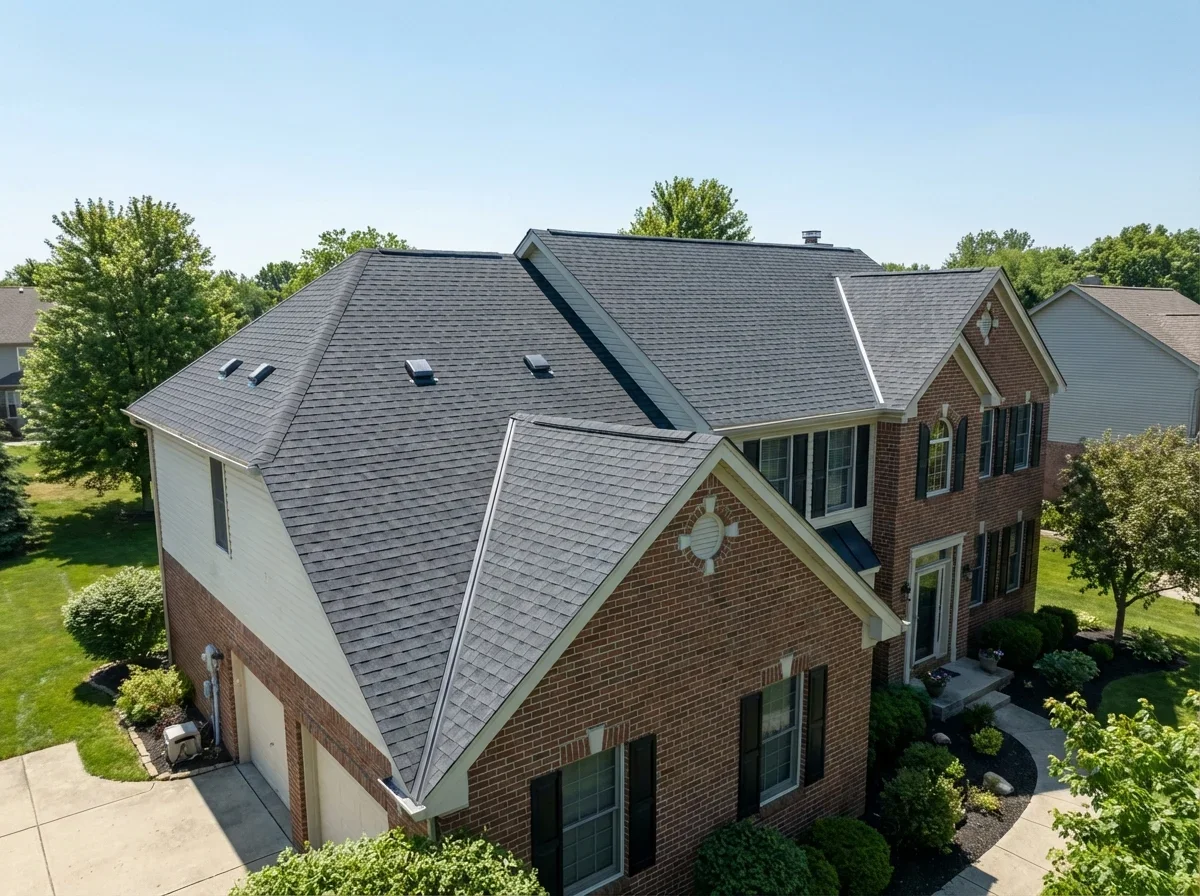
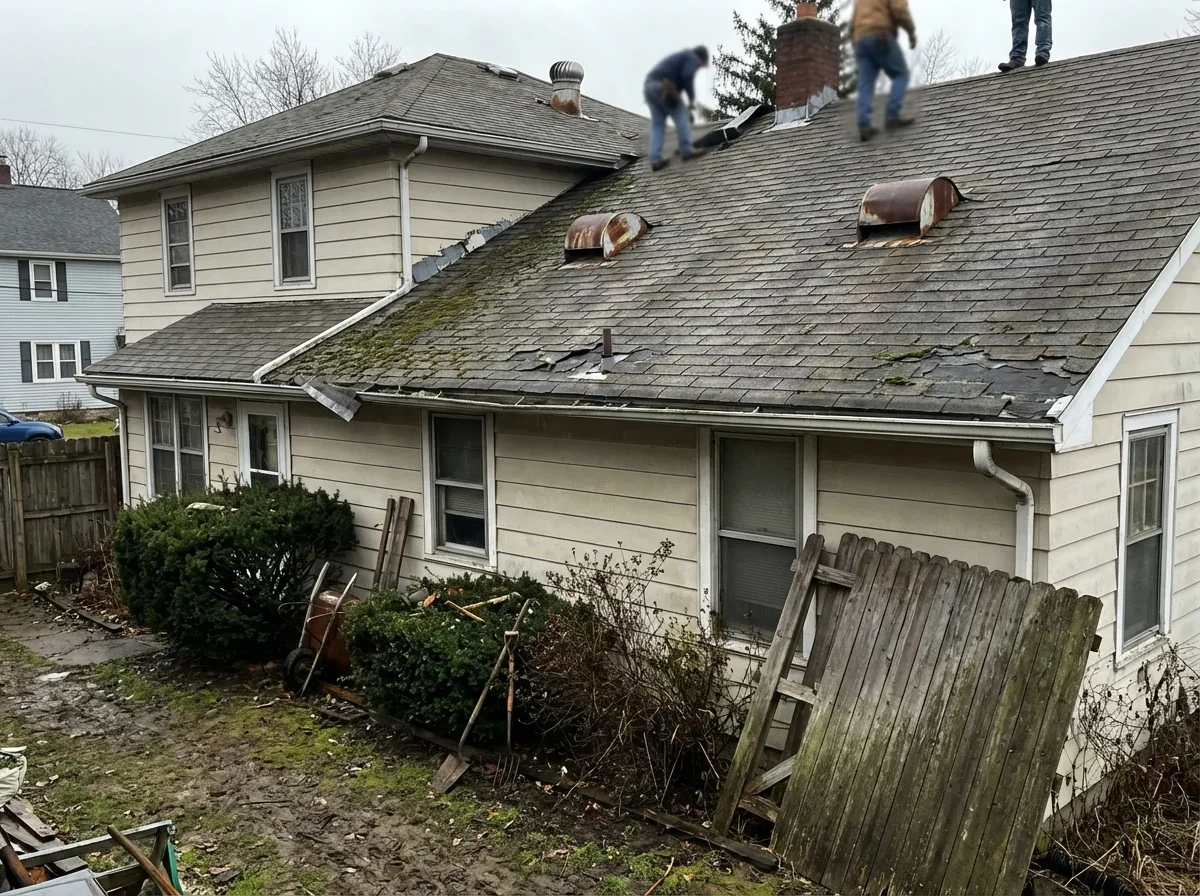
Proper roof and attic ventilation is essential for Ohio homes, preventing ice dams in winter, reducing cooling costs in summer, and extending shingle life by controlling attic temperatures. Our ventilation specialists balance intake and exhaust vents using ridge vents, soffit vents, and powered systems to achieve optimal airflow. Correct ventilation protects your roof investment and improves overall home comfort throughout the year.
Featured Contractors
View all →


When Do You Need Better Roof Ventilation?
Your attic tells you when ventilation fails. Ice dams along the eaves every winter mean warm attic air is melting snow on the roof deck — the meltwater refreezes at the cold overhang and backs up under shingles. In Cleveland and Toledo, inadequate ventilation causes more ice dam insurance claims than any other factor.
Summer brings different warnings. If your attic reaches 140°F while outdoor temps sit at 85°F, you're baking your shingles from below. That heat transfers into living spaces, forcing your AC to run harder. Asphalt shingles rated for 25 years fail in 12-15 when chronically overheated.
Check for these signs:
- Dark streaks or mold on attic roof deck (trapped moisture can't escape)
- Shingles that curl, crack, or lose granules prematurely
- Frost buildup inside attic during winter
- Nail pops pushing through shingles
- Energy bills climbing with no usage change
Moisture kills roofs faster than age. An attic that can't breathe traps humidity from daily living (cooking, showers, laundry) — that moisture condenses on cold roof decking and rots the structure.
Ohio's humidity swings — from 80% summer mornings to sub-zero winter nights — demand intake and exhaust balance. Without it, you're replacing roofs decades early.
What Does Roof Ventilation Cost in Ohio?
Ventilation costs vary by system type, roof complexity, and whether you're retrofitting or installing during a roof replacement.
| Vent Type | Typical Cost Range | Best Application |
|---|---|---|
| Soffit vents (continuous) | $300 - $600 | Intake for all roof types |
| Ridge vent (static) | $400 - $800 | Primary exhaust on peaked roofs |
| Gable vents (pair) | $250 - $450 | Exhaust for roofs without ridge |
| Turbine vents (each) | $150 - $300 | Supplement to static system |
| Powered attic fan | $400 - $900 | High-heat attics, complex rooflines |
| Solar attic fan | $600 - $1,200 | No electrical access needed |
Static Vent Installation Costs
Ridge vents paired with continuous soffit vents deliver the most reliable performance. For a typical 1,500 sq ft roof in Cincinnati or Dayton, expect $700-$1,400 total for balanced static ventilation. That includes cutting the ridge, installing 40-50 linear feet of ridge vent, and adding or unblocking soffit vents.
Retrofit jobs cost more than new-roof installations. Cutting into an existing roof requires careful shingle removal and flashing integration — figure 30-40% higher labor versus installing vents on a roof tear-off.
Powered Ventilation Systems
Powered attic fans move more air but require electricity and maintenance. A thermostat-controlled fan (kicks on at 100°F) costs $400-$650 installed for the fan plus $150-$250 for electrical. Solar-powered units eliminate wiring but cost more upfront.
Powered systems work best as supplements, not replacements. You still need proper intake vents — a fan pulling against blocked soffits creates negative pressure and pulls humidity from your living space.
Factors That Affect Price
Roof pitch and accessibility: Steep roofs (8:12 or greater) add 20-30% to labor costs. Multi-story homes in Akron or Parma may require scaffolding.
Roof complexity: Hip roofs, dormers, and multiple roof planes make balanced ventilation harder — expect custom solutions and higher costs.
Existing vent removal: Pulling old turbine vents or box vents adds $75-$150 per unit for patching and flashing.
Most ventilation upgrades pay back through energy savings in 4-6 years. Proper ventilation also extends shingle life — that 25-year roof might actually reach 25 years instead of failing at 15.
How Roof Ventilation Works
Effective attic ventilation creates continuous airflow: cool air enters low through soffit vents, warms as it rises, and exits high through ridge or gable vents. This passive system works 24/7 without power, pulling heat and moisture out before damage starts.
Intake vs. Exhaust Balance
The building code standard: 1 square foot of ventilation per 150 square feet of attic space (or 1:300 if you have a vapor barrier). That total splits equally — half intake (soffits), half exhaust (ridge/gable). An attic with 1,200 square feet needs 8 square feet of total vent area: 4 sq ft intake, 4 sq ft exhaust.
Imbalance kills performance. Too much exhaust with blocked soffits creates negative pressure — the ridge vent pulls conditioned air from your living space instead of outside air. Columbus roofers see this constantly in older homes with painted-over soffit vents.
Installation Process
- Inspection: Contractor measures attic square footage, identifies existing vents, checks for insulation blocking soffit airflow
- Calculation: Determines proper intake/exhaust ratio for your roof type
- Installation: Cuts ridge vent opening (if adding), installs baffles between rafters to maintain soffit airflow, mounts vents
- Balance verification: Confirms even airflow distribution across entire attic
Most static vent installations take 4-6 hours. Ridge vent installation on a 1,500 sq ft roof takes one day. Powered attic fans require electrical work — add 2-3 hours for wiring and thermostat installation.
Ohio's humid climate makes proper attic ventilation critical year-round — winter moisture control prevents mold, summer heat exhaust extends shingle life.
How to Choose a Roof Ventilation Contractor
Ventilation requires understanding airflow principles, not just cutting holes in your roof. Use this checklist to find qualified contractors in Ohio.
Questions to Ask
- How do you calculate ventilation requirements? (They should measure attic square footage and apply the 1:150 or 1:300 rule)
- Will you verify soffit vents aren't blocked by insulation? (Blocked intake makes exhaust vents worthless)
- Do you balance intake and exhaust? (Should be 50/50 split)
- What's your approach to ice dam–prone roofs? (Should discuss intake improvement, not just adding more exhaust)
- Can I see photos of similar installations? (Look for clean flashing work and proper shingle integration)
- What warranties cover the installation? (Workmanship warranty separate from product warranty)
Red Flags
- Recommends powered fans without addressing intake vents
- Suggests "more ventilation is always better" (balance matters more than volume)
- Won't measure your attic or calculate needs
- Pushes one product for every roof type (hip roofs need different solutions than gable roofs)
Ohio licensing: Roofing contractors must carry liability insurance and workers' compensation. Ask for proof of both before work starts.
Compare at least three local contractors. Use the directory above to find Ohio roofers who list ventilation services and can provide references from similar projects in your area. The right system — properly balanced and professionally installed — protects your investment for decades.
Frequently Asked Questions
Related Articles
Need Help With Your Project?
Join 500+ homeowners we've helped