
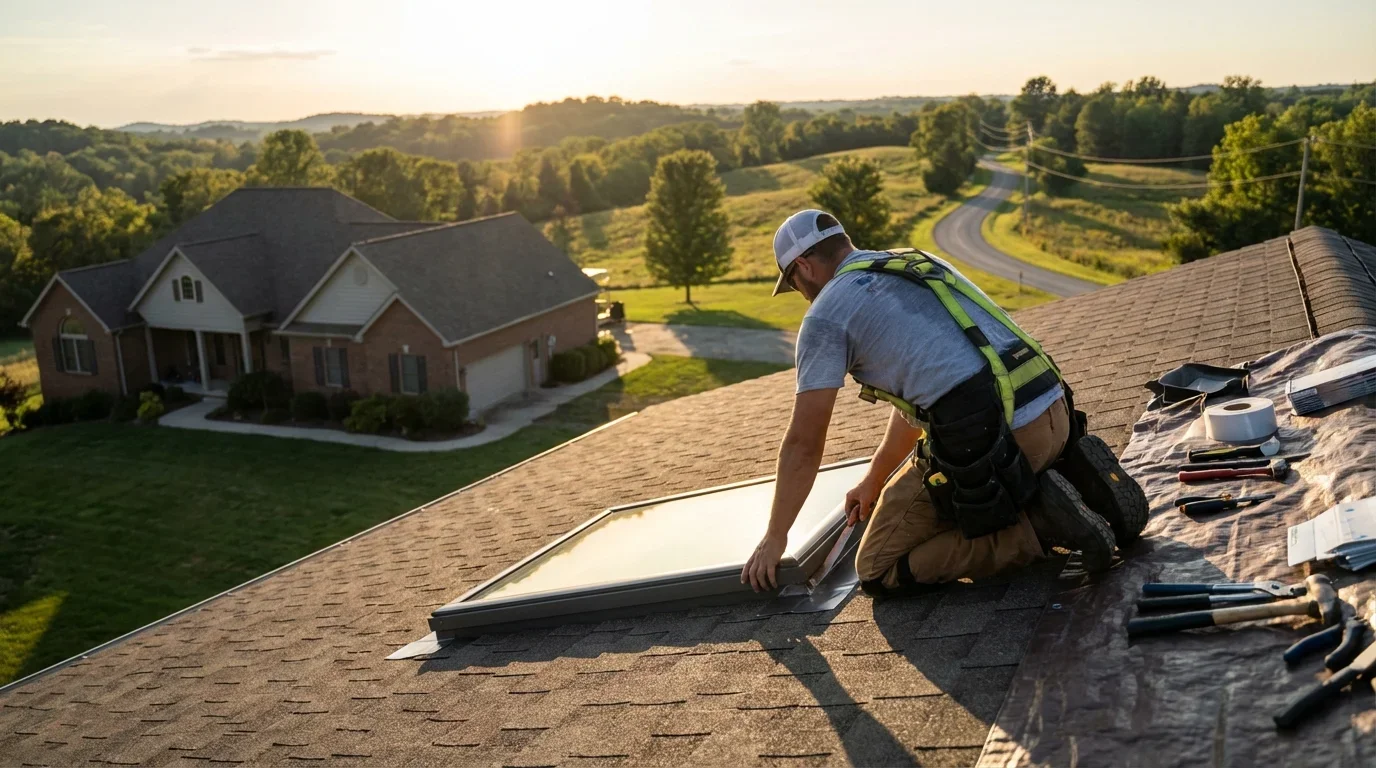
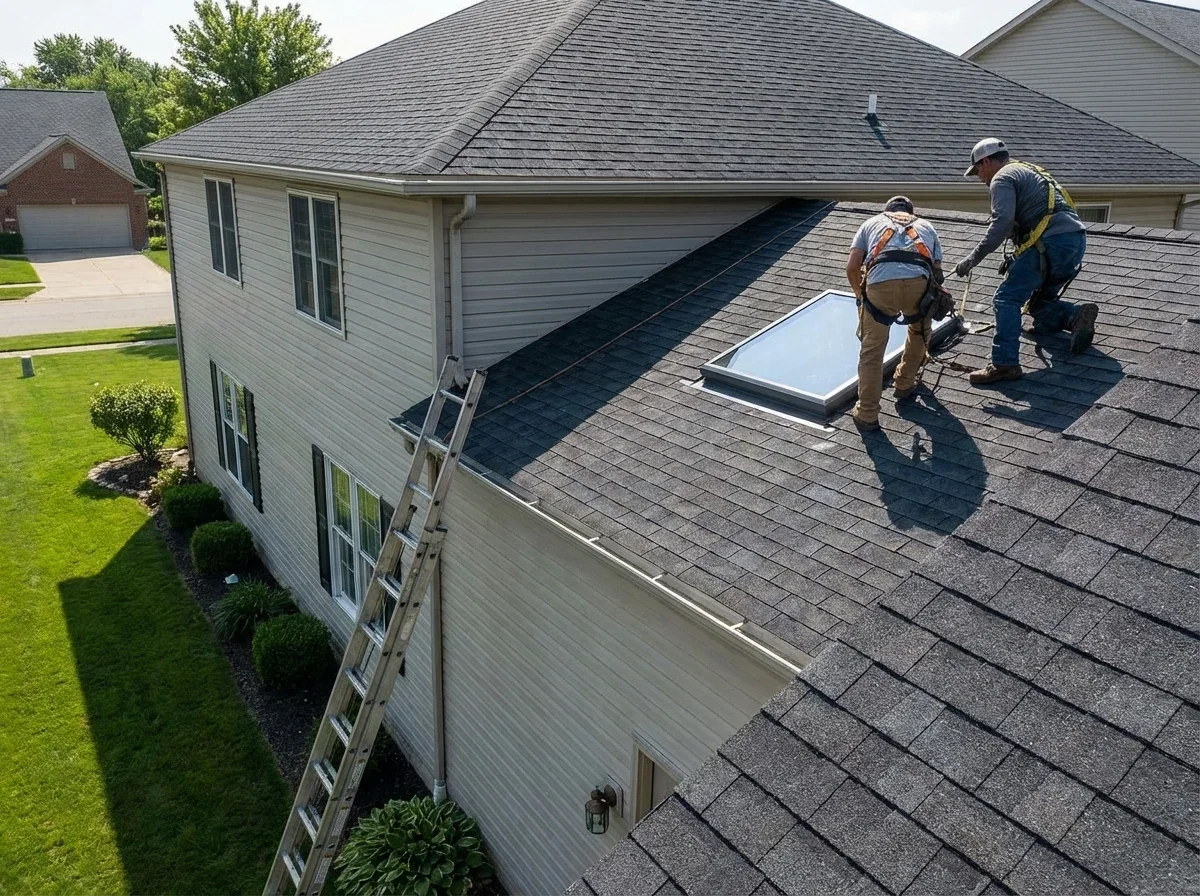
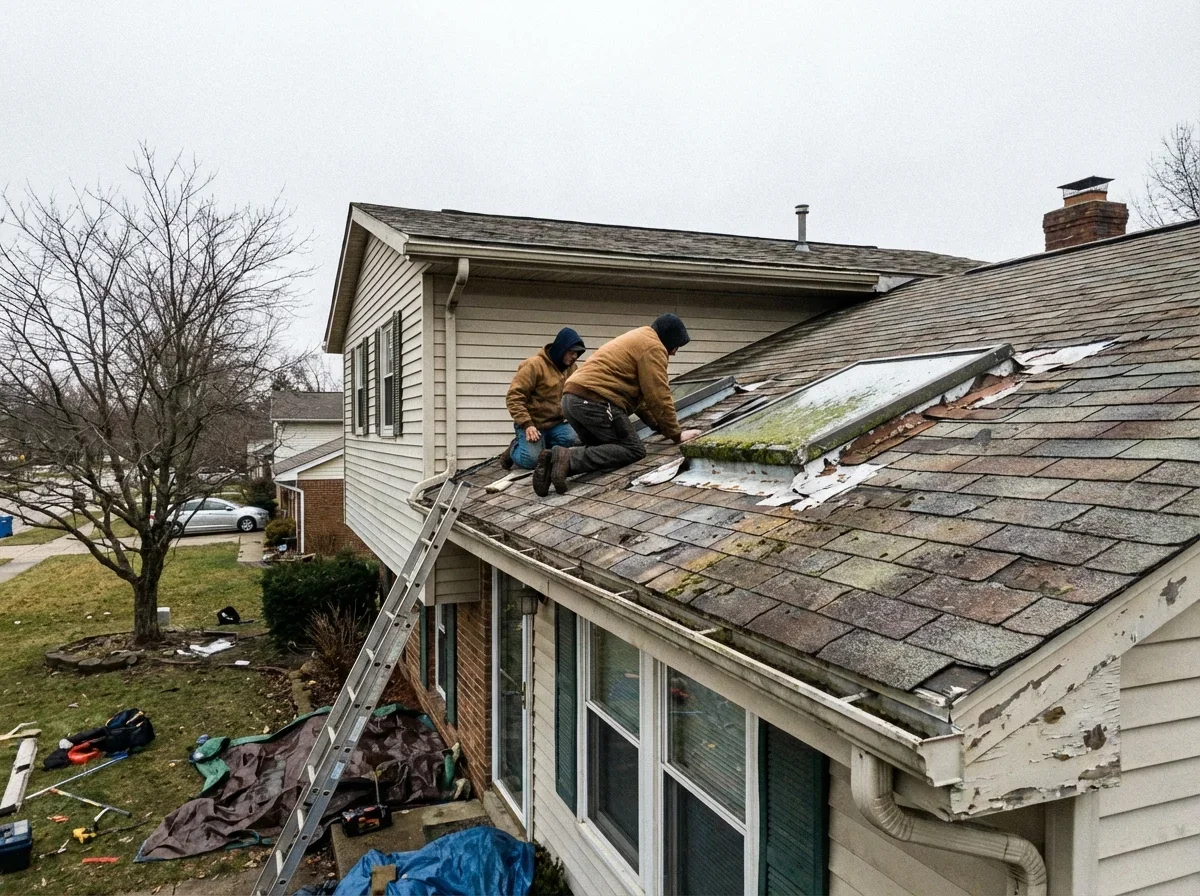
Professionally installed skylights transform dark spaces with natural light while improving ventilation and reducing daytime lighting costs. From fixed and venting skylights to tubular daylighting systems, we integrate these features seamlessly into your roof with proper flashing and insulation. Our installation expertise ensures your skylights remain leak-free through Ohio's rain, snow, and ice while maximizing energy efficiency and interior comfort.
Featured Contractors
View all →



When to Consider Adding Skylights
You're weighing skylight installation because you have rooms that feel cave-like during the day — interior bathrooms with no windows, hallways that need lights on at noon, kitchens where the center island sits in shadow. Adding windows to exterior walls isn't always feasible or desirable. That's where skylights make sense.
Timing matters for Ohio installations. Schedule between late spring and early fall when roofing conditions are optimal. Cutting into your roof during winter freeze or spring thaw creates unnecessary complications.
Consider skylights when:
- Remodeling bathrooms or kitchens and want to add natural light
- You have cathedral ceilings or attic conversions with direct roof access
- Dark interior spaces reduce your home's livability and appeal
- You're already replacing your roof (adds minimal labor cost to the project)
Energy efficiency cuts both ways. Modern ENERGY STAR skylights with Low-E coatings reduce heat gain in summer and heat loss in winter, but poorly installed or outdated units become thermal weak points that spike your energy bills.
Ohio's temperature swings from sub-zero January nights to 90-degree July afternoons stress skylight seals and flashing. If you're replacing an existing skylight that's leaking or fogging between panes, the issue is almost always failed flashing or condensation from inadequate ventilation — not the skylight itself.
What Does Skylight Installation Cost in Ohio?
Expect to invest $1,200-$3,500 per skylight installed for quality materials and experienced roofing contractors. Price breaks down by skylight type, installation complexity, and whether you're integrating the work with a roof replacement project.
| Skylight Type | Typical Installed Cost | Best For |
|---|---|---|
| Tubular/Sun Tunnel (10"-14" diameter) | $600-$1,200 | Hallways, closets, small bathrooms |
| Fixed Deck-Mounted (22"×46") | $1,200-$2,000 | General lighting, living areas |
| Venting Curb-Mounted (30"×46") | $1,800-$2,800 | Kitchens, bathrooms needing ventilation |
| Large Fixed (48"×48" or bigger) | $2,500-$4,500 | Cathedral ceilings, statement installations |
| Solar-Powered Venting Models | $2,200-$3,500 | Remote locations, energy efficiency priority |
What Drives Cost Differences
Skylight quality and features: Budget acrylic-dome models ($300-$500) vs. laminated glass with Low-E coatings and argon fill ($800-$1,800). The unit cost matters less than installation quality for long-term performance.
Roof complexity: Installations on simple gable roofs with asphalt shingles cost 20-30% less than tile, slate, or metal roofs requiring specialized flashing. Steep pitch (8/12 or greater) adds labor time and safety equipment costs.
Light shaft construction: Direct mounting to cathedral ceilings adds no interior framing cost. Installations requiring light shafts through attic space add $400-$900 in framing, insulation, and drywall finishing.
Bundling with roof replacement: If you're already replacing your roof in Columbus or Cleveland, adding skylights during that project saves 30-40% on labor since the roof deck is already exposed and staging is in place.
Energy Efficiency and Payback
ENERGY STAR-rated skylights reduce heat gain by 40% compared to standard models — meaningful in Ohio where summer cooling costs rival winter heating in many homes. Look for units with U-factor below 0.30 and Solar Heat Gain Coefficient (SHGC) between 0.30-0.40.
Typical annual savings: $50-$120 per skylight in reduced electric lighting and optimized HVAC efficiency. Payback period runs 15-20 years, so view skylights primarily as livability and property value improvements rather than pure energy plays.
The Skylight Installation Process
Proper installation starts with roof structure assessment. Your contractor needs to verify rafter spacing, load capacity, and attic access before cutting into your roof. Most residential roofs accommodate standard skylight sizes (22"×46", 30"×46") without structural modification, but custom sizes or placement between non-standard rafter spacing requires headers and reinforcement.
Roof Opening and Structural Preparation
- Interior layout: Mark ceiling location, verify no obstructions (HVAC ducts, electrical runs, plumbing stacks)
- Exterior alignment: Transfer measurements to roof, account for rafter locations
- Cut roof deck: Remove shingles in work area, cut through decking between rafters
- Frame opening: Install headers if cutting through rafters (rare for standard sizes)
- Prepare curb (curb-mounted models): Build or set pre-fabricated curb, integrate with roof plane
Flashing and Weatherproofing
This is where most skylight leaks originate. Ohio contractors experienced with freeze-thaw cycles use stepped flashing integrated with the roofing underlayment — not just the metal flashing kit that ships with the skylight.
- Base flashing: Installed under shingles on the upslope side
- Step flashing: Woven into shingle courses on both sides
- Head flashing: Installed over shingles on downslope side
- Ice and water shield: Applied around entire opening (critical for Ohio snow loads)
The flashing must create a continuous water-shedding plane that accounts for ice dam formation and wind-driven rain. Deck-mounted "low-profile" skylights integrate flashing differently but require the same meticulous weatherproofing.
Interior Finishing and Light Shaft Construction
For installations through attic space, you'll need a light shaft (also called light well) framed from the roof opening down to your ceiling. Your contractor builds this using 2×4 framing, insulates the shaft walls to R-19 or better, then finishes with drywall. Angled shafts capture more light than straight vertical shafts.
Most installations take 6-8 hours per skylight for straightforward roof access. Complex installations with custom light shafts or structural modifications extend to 1-2 days per unit.
How to Choose a Skylight Installation Contractor
Select roofing contractors with specific skylight experience — general contractors or handymen often botch the flashing integration that prevents leaks. In Ohio's climate, improper flashing causes problems within the first freeze-thaw cycle.
Questions to Ask Before Hiring
- How many skylights have you installed in the past year? (Look for 15+ annually; this should be routine work, not a rare project)
- What flashing method do you use? (Correct answer includes ice and water shield around entire opening, stepped flashing integration)
- Do you handle both roofing and interior framing? (Avoids coordination issues between trades)
- What skylight brands do you recommend and why? (VELUX, Solatube, Sun-Tek are quality standards; be wary of unknown imports)
- How do you handle warranty — manufacturer vs. installation? (Should offer minimum 5-year installation warranty)
- Can you show photos of recent installations with similar roof types? (Verify they've worked with your roofing material)
Red Flags to Avoid
- Quotes significantly below $1,000 per unit installed — indicates cheap materials or skipped weatherproofing steps
- Unwillingness to pull permits — skylight installations require permits in most Ohio municipalities (Cincinnati, Dayton, Toledo all enforce this)
- "We'll use the flashing kit that comes with the skylight" — factory kits are minimum standard; Ohio installations need enhanced ice-and-water protection
- No proof of liability insurance — roof penetrations create significant leak liability if done incorrectly
Ohio requires roofing contractors to carry liability insurance; verify coverage before signing. Licensed contractors will readily provide certificate of insurance.
Compare at least three contractors experienced with skylight installations. Focus on their flashing methodology and warranty terms more than unit price — a $200 cheaper bid that leaks after the first winter costs you far more in repairs and interior damage.
Frequently Asked Questions
Related Articles
Need Help With Your Project?
Join 500+ homeowners we've helped